

Centre pushes to turn coastal data into district-level action; National Coastal Mission to anchor resilience efforts
MoEFCC’s national workshop in Delhi calls for turning coastal science into district-level planning, with the National Coastal Mission as the anchor for resilience.
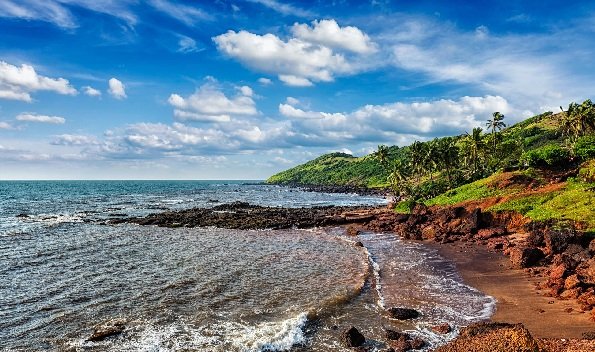
The Union Environment Ministry has called for moving coastal science out of reports and into real planning and investment decisions, as it convened a two-day national workshop on enhancing coastal resilience through adaptive strategies in the capital on Thursday.
The October 29-30 event is being held under the Green Climate Fund-backed project, Enhancing Climate Resilience of India’s Coastal Communities (GCF-ECRICC), which focuses on restoring mangroves, coastal watersheds, seagrass, salt marshes and corals while strengthening livelihoods in vulnerable areas.
Evidence to execution
Inaugurating the session, Environment Ministry Secretary Narendra Bhooshan said building coastal resilience while protecting livelihoods was imperative to achieving the Viksit Bharat 2047 vision. He pointed to the ecological and protective value of mangroves, seagrasses, salt marshes and coral reefs.
India, he said, had significantly strengthened the scientific base for coastal planning through shoreline-change assessments, hazard-line mapping, coastal vulnerability assessments and ecosystem data. “The next task is to ensure this evidence moves into planning, infrastructure and investment decisions at state, district and local levels,” he said.
Bhooshan added that the National Coastal Mission would serve as the fulcrum for coastal resilience and adaptive interventions, building on outputs of the ECRICC project.
Models for scale-up
Senior Economic Advisor Rajasree Ray said the meet aimed to bring together national and state perspectives, science, implementation experience and financing approaches. She outlined progress in Andhra Pradesh, Maharashtra and Odisha, the three states where the project is being implemented, and the potential for replication.
A key highlight was the project’s Climate Champion model, in which women from largely coastal communities, called “ECRICC Didis”, translate technical climate knowledge for local residents. The model was showcased as a candidate for replication.
Joint Secretary Tanvi Garg underlined the role of the National Coastal Mission in strengthening adaptation in collaboration with coastal states and Union Territories.
Livelihoods, partnerships
UNDP India Resident Representative Angela Lusigi said restoring coastal ecosystems was central to livelihood interventions, helping women become self-reliant by growing their enterprises. Sushil Saigal, Interim Managing Director of The Nature Conservancy India, stressed knowledge exchange to mainstream proven practices and deliver scalable solutions.
The workshop has drawn nearly 150 participants, including senior officials from the Ministry and line ministries, UNDP and TNC representatives, coastal zone management authorities, state and UT forest departments, research institutions, NGOs, financial institutions and philanthropic bodies.
Road ahead
Recommendations from the workshop are expected to feed into broad guidelines for adaptive coastal resilience, drawing on existing national policy frameworks, state priorities and implementation experience. The Ministry said this aligns with the Prime Minister’s vision of a Blue Revolution and ocean economy, symbolised by the blue chakra in the national flag.
More Stories



Related News
© 2026 CSR Voice. All Rights Reserved.
Powdered by © Snowchild Studio